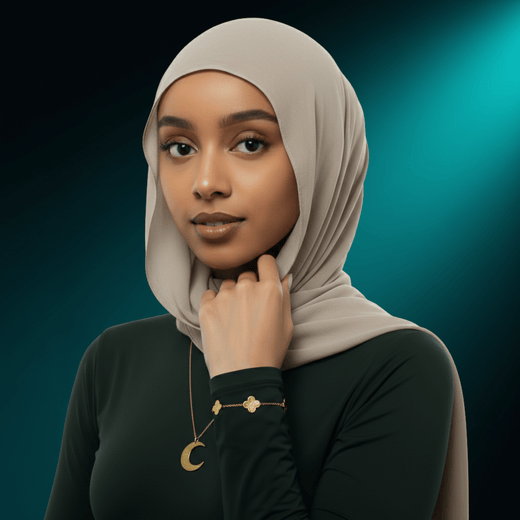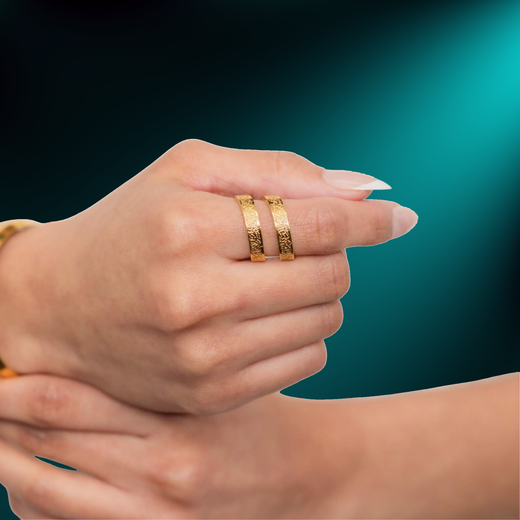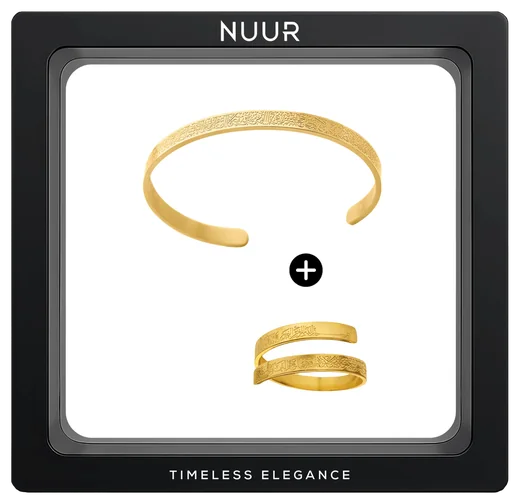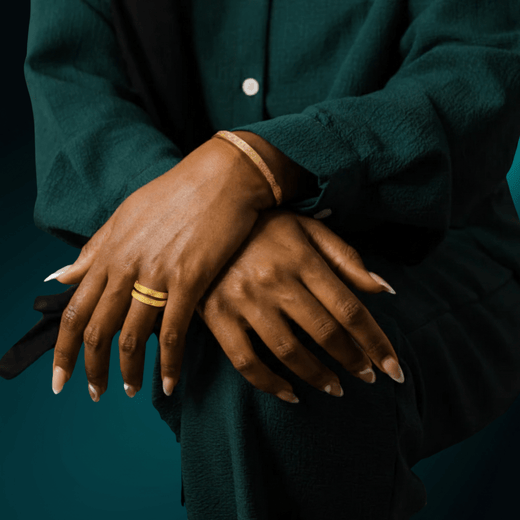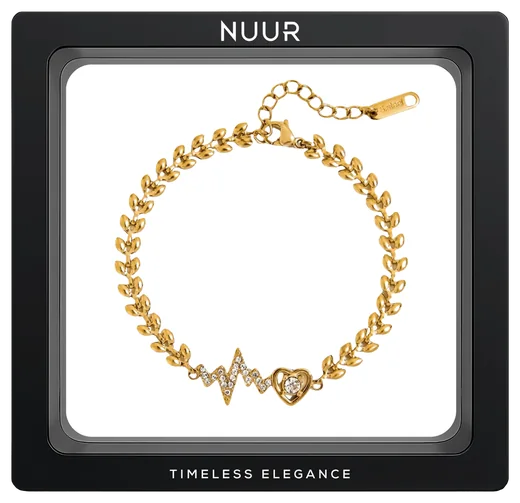
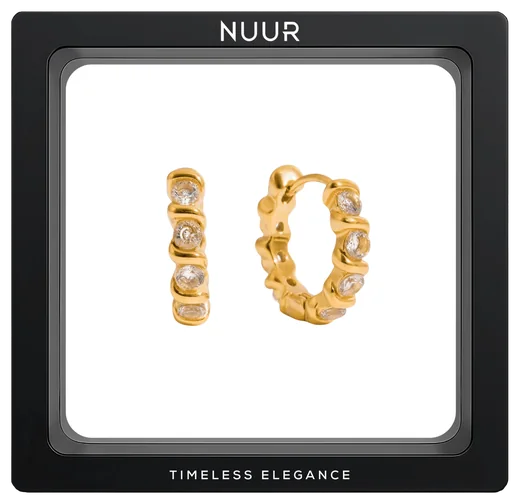
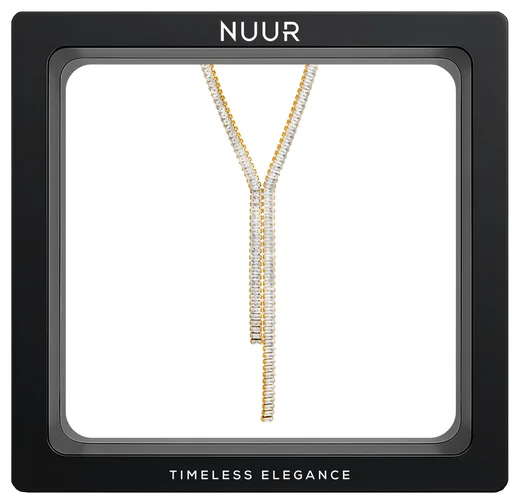

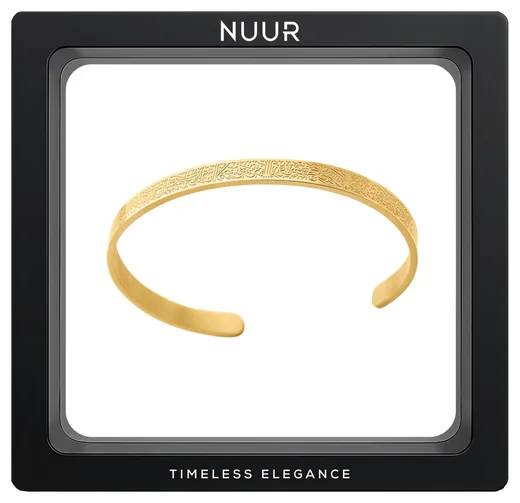
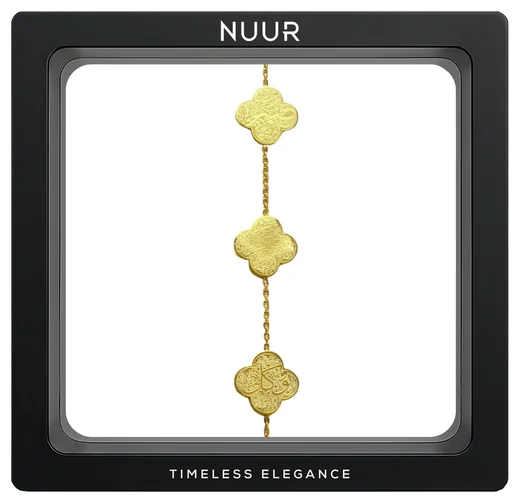
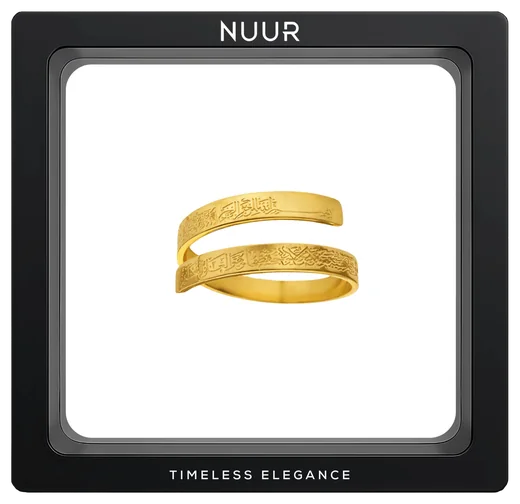

Sabr, Shukr, and Tawakkul are three virtues that quietly shape a believer’s inner world. Patience in the face of trials, gratitude for what is given, and trust in Allah when outcomes are unknown—together they form a balanced posture of the heart. Jewelry that carries these words transforms virtues into daily companions. A bracelet engraved with Sabr can interrupt frustration before it hardens. A ring etched with Shukr can spark a moment of appreciation before a meal. A pendant bearing Tawakkul can steady the breath before a difficult decision. This guide explores the meanings and lived practice behind each concept, how they translate into design, what to look for in materials and craftsmanship, and how to style and care for pieces so they remain dignified for years.

What Sabr, Shukr, and Tawakkul Mean in Daily Life
Sabr
Patience is not passivity. It is disciplined endurance, a refusal to let anger, fear, or urgency hijack judgment. Practically, sabr looks like holding a calm center during delays, handling criticism without defensiveness, and persisting in good deeds even when results are slow. A Sabr bracelet or ring becomes a small ritual: glance, breathe, respond rather than react. The point is not to suppress emotion but to guide it wisely.
Shukr
Gratitude is an active recognition of gifts—health, time, relationships, opportunities—and a commitment to use them well. In practice, shukr means noticing small mercies, saying thank you often, and refusing to narrate life only through what is missing. A Shukr pendant can cue a quick inventory of blessings on the way to work or just before sleep. Over time, the piece helps train attention toward abundance rather than lack.
Tawakkul
Trust in Allah is not a dismissal of planning; it is the humility to plan carefully while releasing outcomes. Tawakkul is the antidote to the illusion of total control. It allows decisive action without anxiety looping endlessly afterward. A Tawakkul piece can serve as a handhold when circumstances exceed your grasp—after you have done the work, you place the result where it belongs and walk forward.
Why These Three Belong Together
Sabr without Shukr risks becoming cold endurance. Shukr without Sabr can become fragile optimism. Tawakkul binds them with reliance, protecting gratitude from entitlement and patience from despair. Together, they describe a mature spiritual posture: show up, stay steady, recognize gifts, and trust the Giver. Wearing all three as a set communicates completeness. Wearing one at a time highlights a season’s focus.
Translating Virtue into Design
Calligraphy choices
Arabic calligraphy carries meaning through form and proportion. For jewelry, legibility at small scale is paramount. Naskh-inspired scripts often read clearly on plates and discs. Thuluth can be used with restraint when letter height is sufficient. The goal is clarity without visual clutter—each word should be identifiable at a glance.
Layout and hierarchy
When all three words appear on a single piece, hierarchy matters. Designers might emphasize the current focus word with slightly heavier strokes or central placement while keeping the other two present but balanced. On a bracelet plate, a horizontal arrangement with even spacing helps the eye read left to right. On a pendant, a stacked composition can preserve clarity without shrinking letterforms.
Single-word pieces
A minimalist approach—one virtue per piece—lets each word breathe and invites intentional stacking or layering. This is helpful when the wearer wants a clear daily theme. Three slim bangles, each engraved inside with Sabr, Shukr, and Tawakkul, create a quiet personal set that looks refined and reads like a private practice.
Materials and engineering
Daily-wear pieces benefit from non-tarnish construction, crisp engraving, and smooth finishing. High-grade stainless steel with durable 18K gold plating offers warmth and longevity without the maintenance burden of softer metals. Hypoallergenic performance matters for skin sensitivity. On bracelets, examine the connection points where the plate meets the chain; these are stress zones that require sturdy rings and clean soldering. On pendants, the bail should be smooth inside to prevent chain abrasion. All edges should be rounded to meet the skin comfortably.
Scale and proportions
If the engraving is too small, the word becomes texture; if too large, the piece dominates outfits. Aim for letter heights that remain clear in normal light. For bracelets, plates that allow the word to occupy the center third in a balanced field read well. For pendants, a modest disc with precise letter spacing often outperforms oversized medallions that blur at the edges.
Finish and surface
A controlled polish elevates form while keeping glare low so letters remain legible. Overly glossy surfaces can wash out detail in bright light. A micro-polished background with slightly higher luster on the letter strokes draws the eye naturally to the word without adding color or stones.

Respectful Use and Intention
Virtue words are not Qur’anic verses, but the intention remains devotional. Wearers often prefer clean handling, mindful storage, and avoidance of harsh chemicals or environments that dishonor the piece’s purpose. The jewelry’s dignity mirrors the dignity of the practice it represents. Treat it as a companion to remembrance rather than a trend.
Choosing the Right Sabr, Shukr, Tawakkul Piece
Clarify your aim
Are you reinforcing a current discipline, celebrating a season of gratitude, or reclaiming calm through trust? Choose the word or combination that addresses the moment you are in. For a gift, reflect on the recipient’s chapter—new parenthood might point to Sabr; a graduation could highlight Shukr; a career leap might call for Tawakkul.
Pick the form you will actually wear
Bracelets are ideal for frequent visibility while working or driving. Rings provide tactile cues that are felt during conversation or thought. Pendants sit close to the heart and layer easily beneath modest clothing. Each form invites different reminders; pick the one that suits your habits.
Evaluate craft quality
Check line sharpness under natural light. Letters should have consistent stroke width and clean negative space. Run a finger along edges and clasps—comfort today predicts comfort at hour eight. Test clasp action; a secure closure that opens confidently will be used properly rather than avoided.
Consider versatility
Minimalist silhouettes in a single metal tone integrate seamlessly into wardrobes and move from weekday to weekend. If you plan to stack or layer, keep metals consistent and vary thickness subtly so the featured word remains the focal point.
Styling the Virtues
Everyday minimal
Wear one focus word at a time. A slim Sabr bracelet pairs well with a watch and neutral tones, adding meaning without visual noise. This approach is ideal for work and study.
Layered set
Combine a Tawakkul pendant with a slender Shukr bracelet. Use similar chain finishes to maintain unity. The effect is dimensional but coherent, and the message reads across different sightlines.
Occasion dressing
Choose a single bold piece with pristine engraving—perhaps a brushed plate bracelet with inner engraving so the word remains close and private. Keep other accessories understated to let the virtue carry the scene.
Gifting with Thoughtfulness
Explain the choice
A short handwritten card can transform a beautiful item into a life marker. Share why you chose this word at this moment. For example, Shukr to anchor a new home, Sabr for recovery after difficulty, Tawakkul for a venture that requires courage.
Make fit easy
Use adjustable bracelets or include extender links on chains so the recipient can wear the piece immediately. A good fit communicates care and avoids the deflation of a gift that needs modifying.
Elevate presentation
A gift-ready box, a care cloth, and a small insert that explains the meaning and maintenance of the piece frame the unboxing as a ritual, not a transaction. This is where brand experience matters most.
Care and Maintenance
Daily routine
Wipe pieces gently after wear to remove oils and keep surfaces bright. Store them separately in a dedicated box or pouch to prevent micro-scratches. Avoid direct application of perfumes or lotions onto metal surfaces.
Occasional cleaning
Rinse with lukewarm water and a small amount of mild soap, then dry completely with a lint-free cloth. Do not use abrasive pads or strong chemicals. Avoid ultrasonic cleaners for plated pieces to protect surface integrity.
Long-term preservation
Rotate wear if you own multiple pieces; this distributes mechanical stress and preserves finish. During travel, use a rigid case to prevent chain tangles and plate dents.
Ethical and Emotional Longevity
Meaning-first design
Choose pieces that prioritize legibility and integrity of the word over novelty shapes. Virtue jewelry should not age like a seasonal trend. Simplicity, proportion, and clarity outlast fashion cycles.
Durability as respect
A piece that stays beautiful supports the inner work it represents. Non-tarnish construction, secure clasps, and careful finishing communicate that the words are worth keeping near for a long time.
Community without signaling
These pieces often prompt conversation. Let the word invite gentle sharing rather than performance. The aim is practice, not display.
Why a Premium, Non-Tarnish Approach Matters
When a piece is meant for daily formation, it must endure daily realities. Moisture, temperature changes, and constant handling will test materials and engraving. Premium 18K gold-plated stainless steel offers a balance of warmth, strength, and skin comfort. Crisp engraving preserves letterforms so Sabr remains Sabr after years of wear. Smooth edges and reliable clasps turn faith into habit—easy to put on, easy to keep on, easy to live with.

A Practical Framework for Building a Set
Start with one anchor
Pick the word you need most for the next three months and wear it daily. Track moments when it helped—mornings, commute, difficult meetings.
Add a complementary piece
After a season, introduce a second virtue that balances the first. Pair Shukr with Sabr to prevent endurance from drying out. Pair Tawakkul with Shukr to keep gratitude alive during uncertainty.
Complete the trio intentionally
Add the third piece as your rhythm stabilizes. Rotate which one is most visible depending on the day’s demands. The set becomes a small liturgy: endure with patience, recognize gifts, act and release outcomes.
Frequently Asked Questions
Can I wear all three at once
Yes, but maintain visual clarity. Three slim pieces often look better than one oversized piece with all words crowded together. Keep metals consistent and spacing intentional.
Are these suitable for men and women
Yes. Virtue words are unisex; adjust proportions and chain styles to taste. Men often prefer slightly wider plates or thicker chains; women may lean toward slimmer silhouettes, though preferences vary.
Is English acceptable instead of Arabic
It is possible, but Arabic carries the tradition and reads beautifully at jewelry scale. If using English for accessibility, choose a clean sans-serif engraving and keep the design minimal to preserve dignity.
How do I handle water exposure
Waterproof construction means you can shower, swim and sweat in it, in the sea and in the pool. After salt water or chlorine, a rinse in fresh water and a soft cloth keep the finish bright. Keep it away from abrasive cleaning agents.

Final Thoughts
Sabr, Shukr, and Tawakkul jewelry is a quiet technology for the soul—a wearable interface that nudges the mind toward better responses, kinder narratives, and braver trust. The best pieces are those you forget you are wearing until the exact moment you need them. Then you notice the word, breathe, and choose differently. With thoughtful design, durable materials, and respectful use, these virtues move from text to practice, from concept to habit, from adornment to formation.